-

Free Delivery Orders over ₹ 999
-

Secure Payment Secure Payment
-

24/7 Support Within 1 Business Day
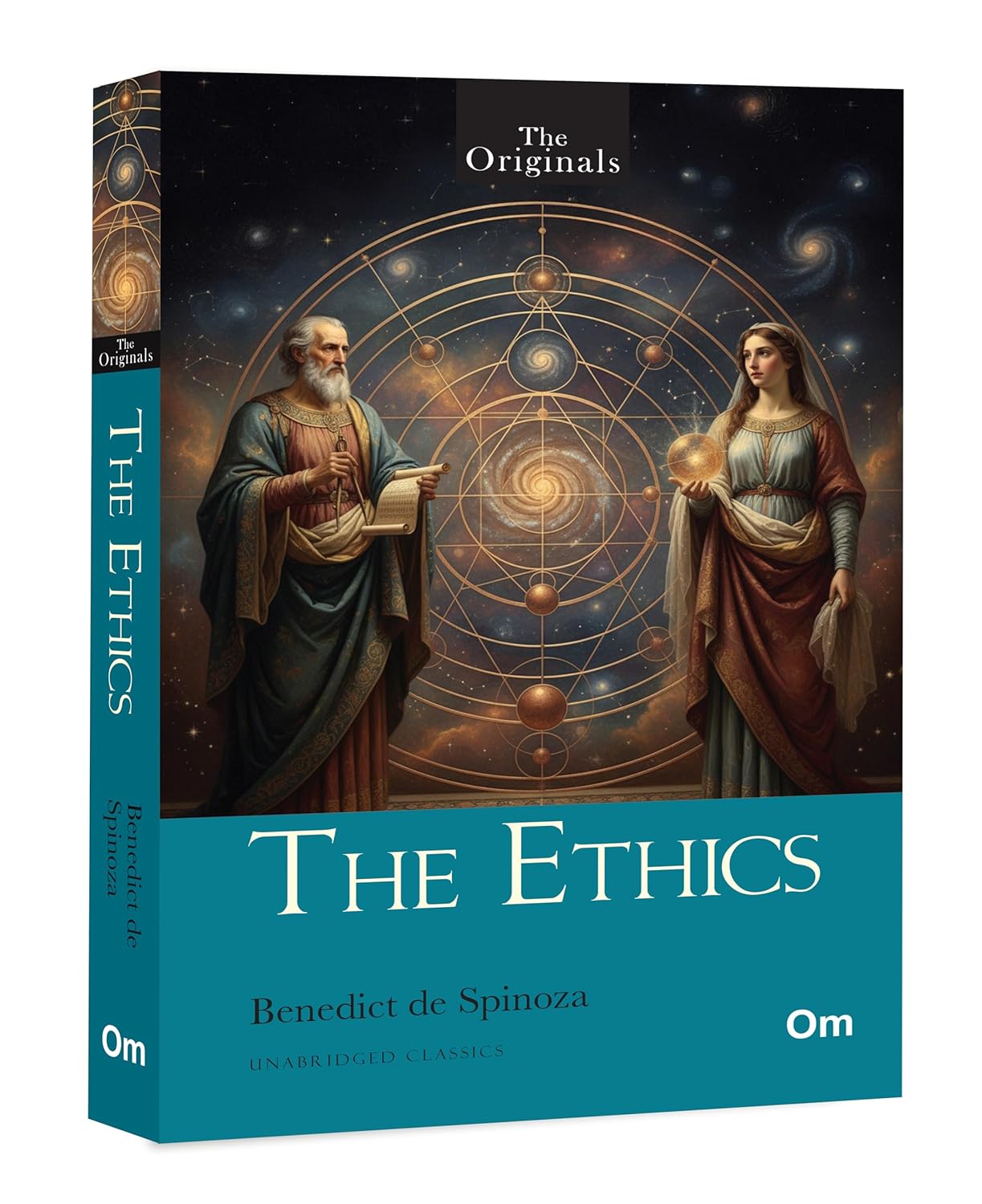
In Ethics, Spinoza redefines God as the totality of nature and argues that everything, including human thought and emotion, follows from universal necessity?revealing that true freedom and happiness arise not from escaping fate, but from understanding and harmonizing with it.
Benedict de Spinoza?s Ethics stands as one of the most profound and revolutionary works of philosophy, offering a vision of the universe founded on necessity, reason, and unity. Written in a geometric style of definitions, axioms, and propositions, it demonstrates that God, Nature, and existence are one and the same reality. Spinoza rejects the notion of a personal, transcendent deity and redefines God as the infinite substance that underlies all things ? eternal, self-caused, and inseparable from nature itself.
Through its five-part structure, Ethics examines the nature of God, the human mind, emotions, and the possibility of true freedom. Spinoza argues that human desires and actions are determined by natural laws, leaving no room for free will as it is traditionally understood. Yet, knowledge ? achieved through reason and intuition ? frees us from emotional turmoil and aligns us with the order of nature.
More than a philosophical system, Ethics is a guide to human flourishing. It calls for intellectual understanding as the highest form of joy and liberation, culminating in what Spinoza calls ?the intellectual love of God? ? a serene acceptance of reality and unity with the eternal whole.
-
Read More
Product Details
-
Pages
Pages: 304

-
Dimensions
19.8 x 12.9 x 1.4 cm

-
Weight
240 g

-
ISBN
9789363955196

-
Publisher
Om Books International

-
Binding
Paperback

-
Language
English

-
Pages
Related Products
-
Sale!
The Master Key System: The Originals Unabridged Classics
₹212 (28% OFF)Add To Cart -
Sale!
The Vishnu Purana: A System of Hindu Mythology and Tradition – The Originals Unabridged Classics Translated
₹431 (28% OFF)Add To Cart -
Sale!
Indian Myth and Legend: The Unabridged Classics by Donald A. Mackenzie
₹284 (28% OFF)Add To Cart -
Sale!
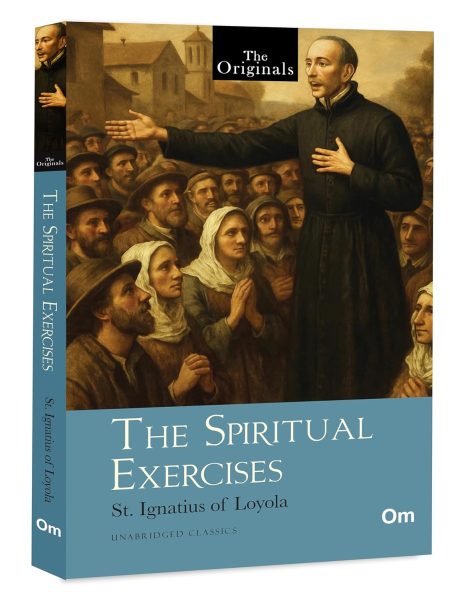
The Spiritual Excercises:The Originals Unabridged Classics by St.Ignatius of Loyola
₹140 (28% OFF)Add To Cart -
Sale!
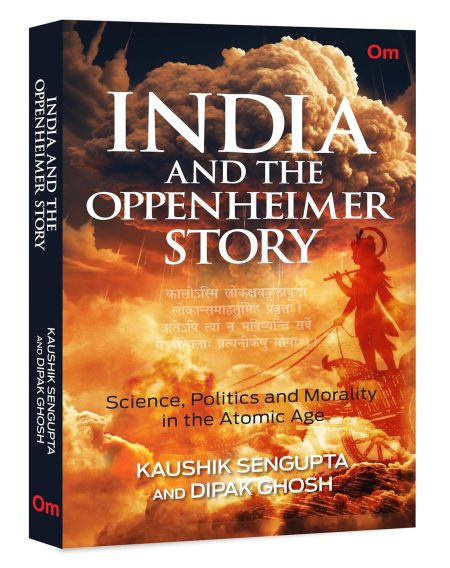
India and The Oppenheimer Story – Science, Politics and Morality in the Atomic Age
₹287 (28% OFF)Add To Cart
From the Publisher
Customer reviews

Reviews
There are no reviews yet.